
listening to nature through bird language.
A guide to practices and rituals to deepen your connection to nature through listening to bird language.


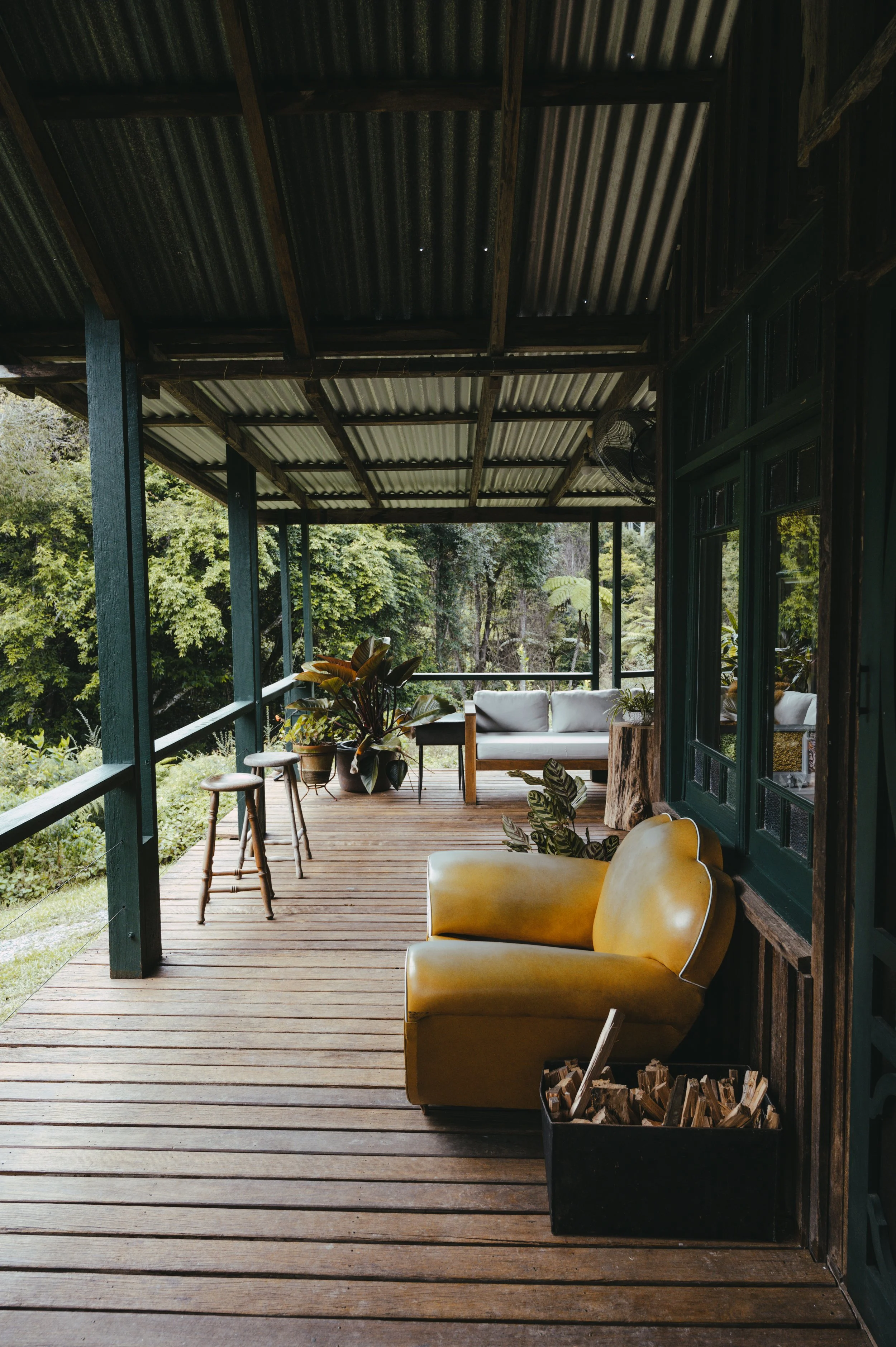
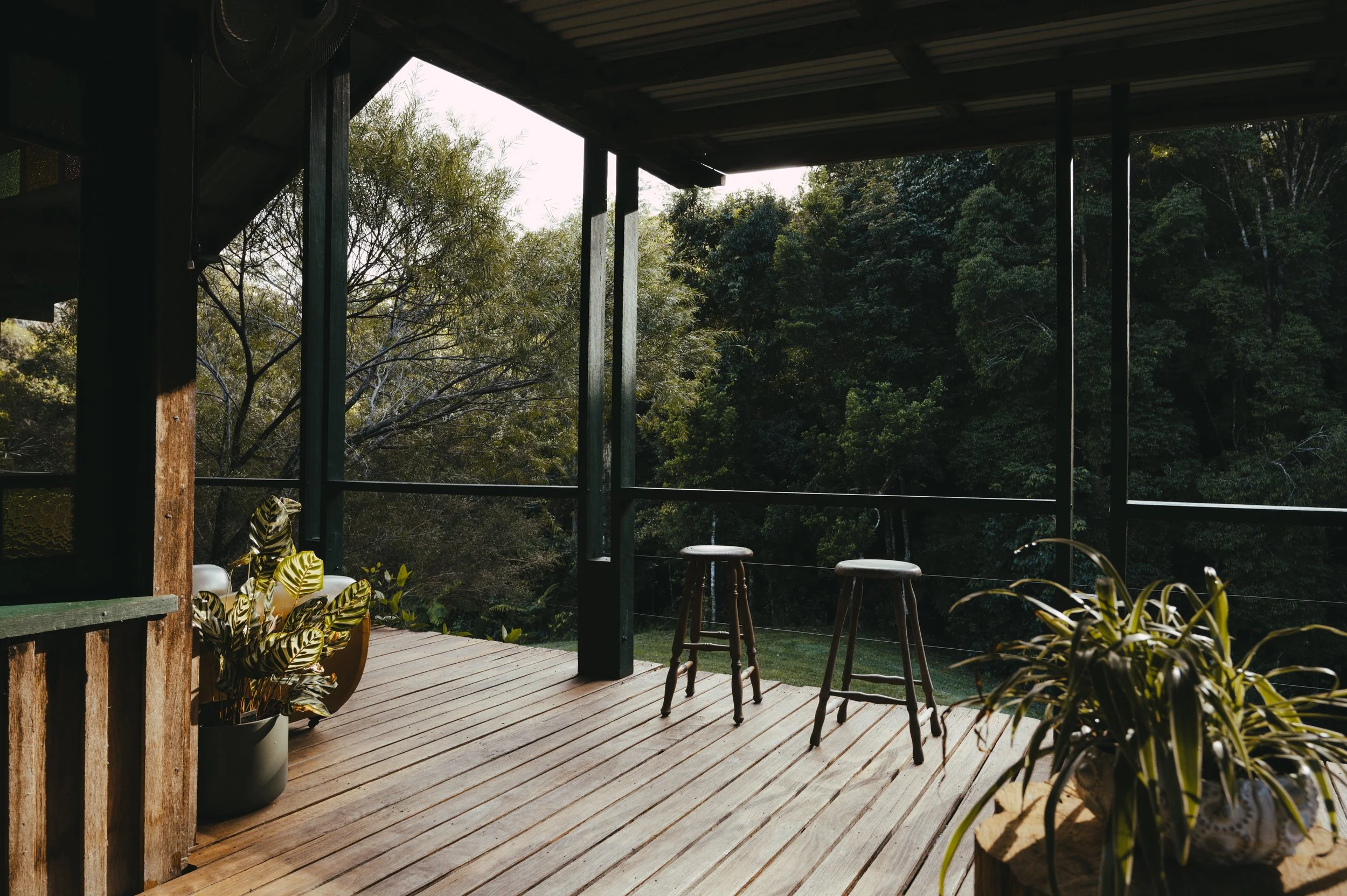
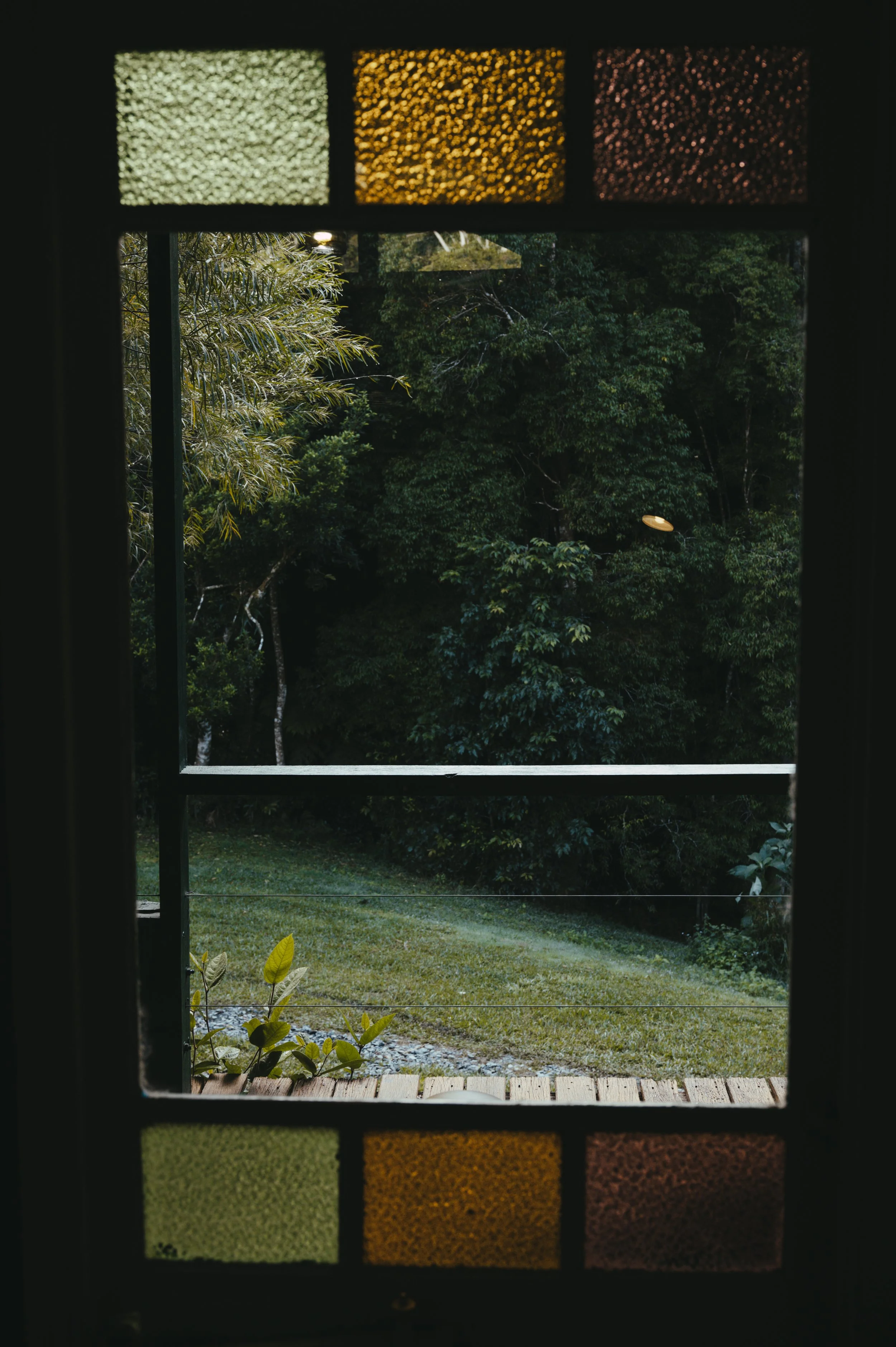
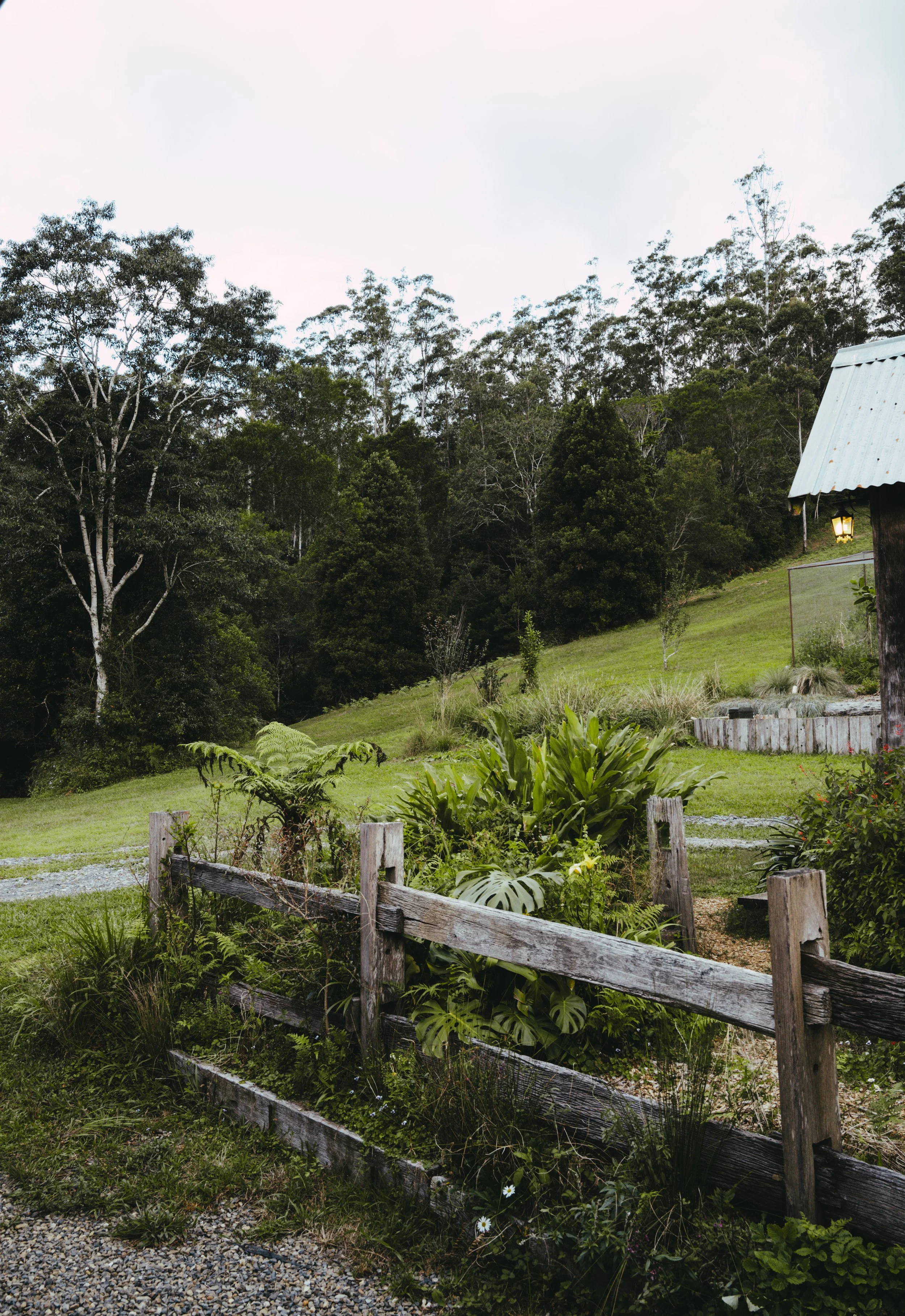


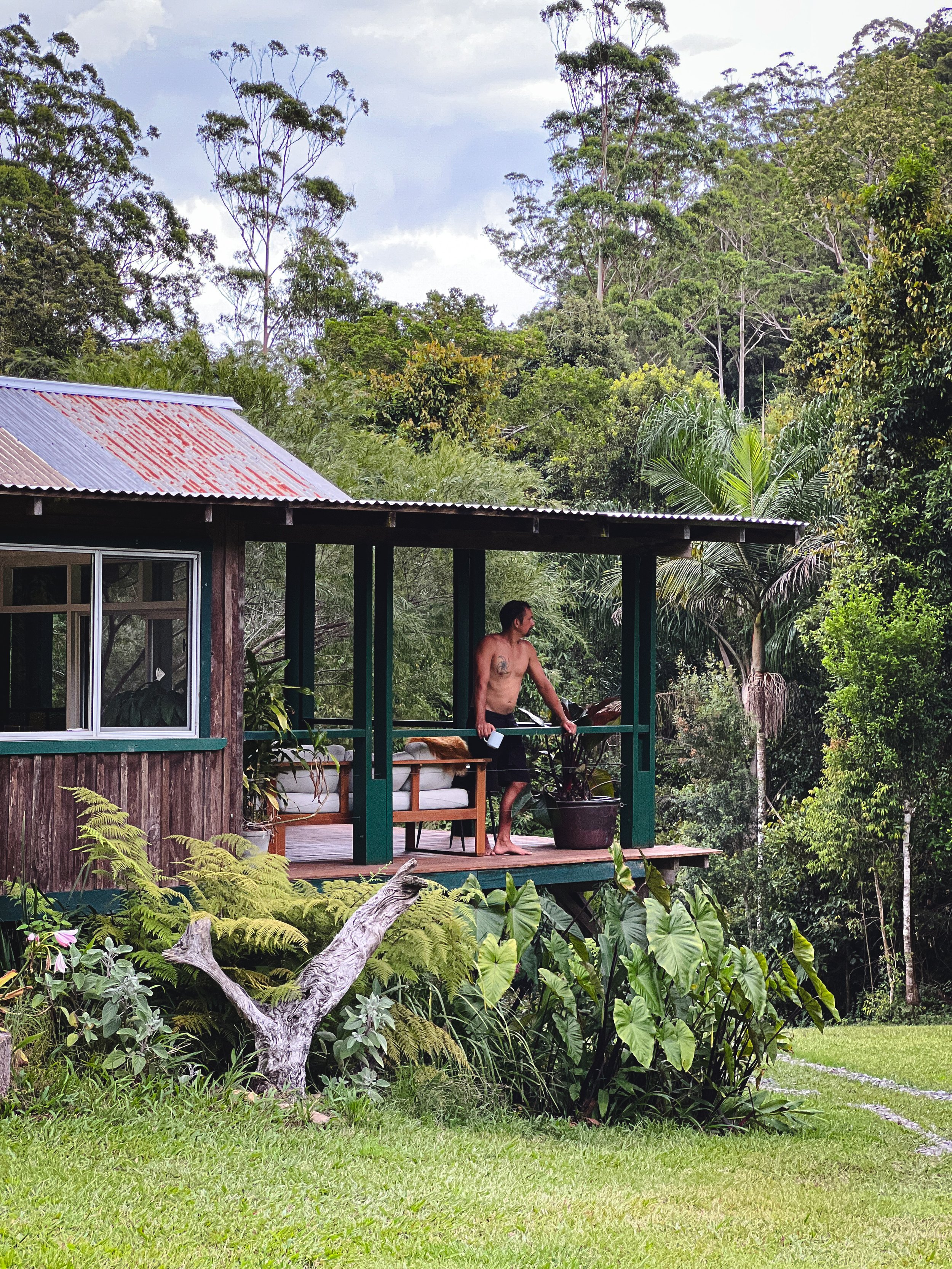
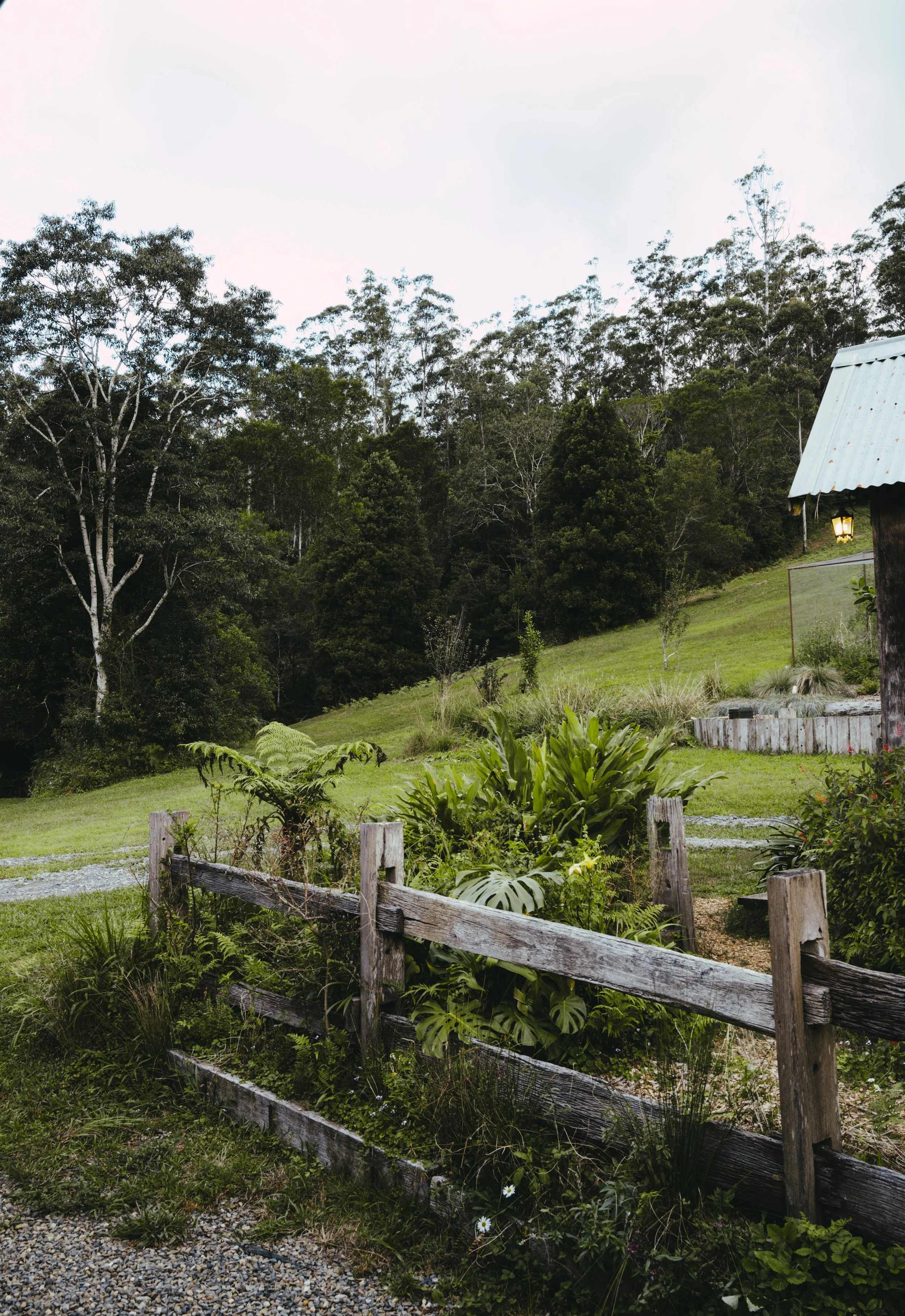
Beautiful images from Milou Hoffman Photography at Rainbow Creek
Mornings at Rainbow Creek begin not with an alarm, but with the soft, rising chorus of the valley: whipbirds trading sharp calls from across the gully, king parrots chattering as they skim the orchard, a koel calling from somewhere higher on the ridge. Here in Kalang, surrounded by rainforest remnants, creek song, and the quiet hum of forest life, birds are not just neighbours — they’re teachers.
Birds have a remarkable ability to pull us into the present moment. And for many visitors at Rainbow Creek, they often become the unexpected entry point for a deeper nature connection. It happens gently, almost accidentally — in the way a guest pauses on the cabin verandah to listen, the way a flash of azure catches their attention down by the creek, or how they stop mid-wander to watch a fantail dance through the understory.
Science is starting to catch up with what people feel intuitively here: spending time with birds can be profoundly good for our mental health.
A recent study highlighted in ABC News found that birdwatching improved mental wellbeing even more than simply going for a walk in nature, likely because birds encourage us to slow down, observe and attune.
Source: https://www.abc.net.au/news/2024-06-01/science-finds-birdwatching-improves-mental-wellbeing/103877810
Another study published in Urban Ecosystems discovered that people who focused on the joy a bird brought them experienced bigger boosts in wellbeing than those who just counted species. Whilst we love to identify, count and record species for our own curiosity and conservation, remembering to just be in the present moment is a powerful antidote to modern living.
Source: https://link.springer.com/article/10.1007/s11252-023-01334-y
In Kalang, that joy of experience is everywhere. You only need to know how to notice it.
Bird Language in the Kalang Valley
Bird language is the art of listening to what’s happening in the landscape through the songs, alarms, silences and patterns of the birds around you. Here at the edge of the forest on Gumbaynggirr country in the Bellingen shire, it’s woven into daily life — you hear it in the shifting moods of dawn, the quick calls that ripple through the forest when a goanna wanders past, or the sudden quiet when a wedge-tailed eagle circles overhead.
At Rainbow Creek, guests often experience this shift instinctively:
A sudden loud alarm from lewin’s honeyeaters alerts you that a snake or goanna is likely nearby.
Pigeons flying low in the late afternoon to guide you to fresh water
The explosive whip and “choo-choo” reply of the eastern whipbird tells you the forest is waking.
Learning bird language doesn’t require academic knowledge, just curiosity and an open mind.
Beginner Nature Connection Practices
(Rainbow Creek Edition)
These simple practices help guests deepen their sense of belonging in the Kalang landscape, even if it’s their first time tuning in.
1. The Deck Sit
Take your morning coffee out to the deck.
Sit. Breathe.
Listen for the first sound you notice — a distant kookaburra, the soft trill of a thornbill, the creek murmuring below.
Let your attention rest there without effort.
This is nature connection at its most accessible.
2. Follow the Music Down the Creek Track
Wander the small trails from the house Move slowly and look for movement rather than sound.
Often it’s the rustle of wings or the flick of a tail that appears before birdsong reaches you.
You may see:
Azure kingfishers darting low over Rainbow Creek or sitting on the garden railing
Eastern yellow robins perched at eye level, curious and unhurried
Black cockatoos drifting overhead in raucous, prehistoric glory
Pause often. Birds reward slowness.
3. The Joy Practice
Inspired by wellbeing research, simply ask yourself:
Which bird brought me the most joy today?
Not which one was rare. Not which one you identified correctly.
Just: Which one made something inside me soften, brighten, or expand?
Write it down.
This emotional noticing is a powerful form of nature connection — and it works anywhere in the valley.
4. Twilight Listening
As the light fades, sit outside again and listen to the shift: the day birds quieten, the boobooks and sooty owls begin, and the calm of Kalang settles in around you.
This liminal time, known affectionately here as “bird changeover,” is a favourite among guests seeking grounding and reconnection.
Why Birds Are the Perfect Guides
Birds are everywhere in the Bellingen Shire — in the forests of Dorrigo, along the meandering creeks, in open paddocks, on your cabin deck at Rainbow Creek.
They’re accessible to everyone — no gear, no experience required.
And they remind us to slow down, to look up, to return to presence.
When guests leave Rainbow Creek, many tell us the same thing:
“I felt inspired to explore again.”
“I felt calmer here, like I remembered how to breathe.”
Or simply:
“I didn’t realise how much was happening in the world around me.”
Birds open that door.
All we have to do is step through.
